

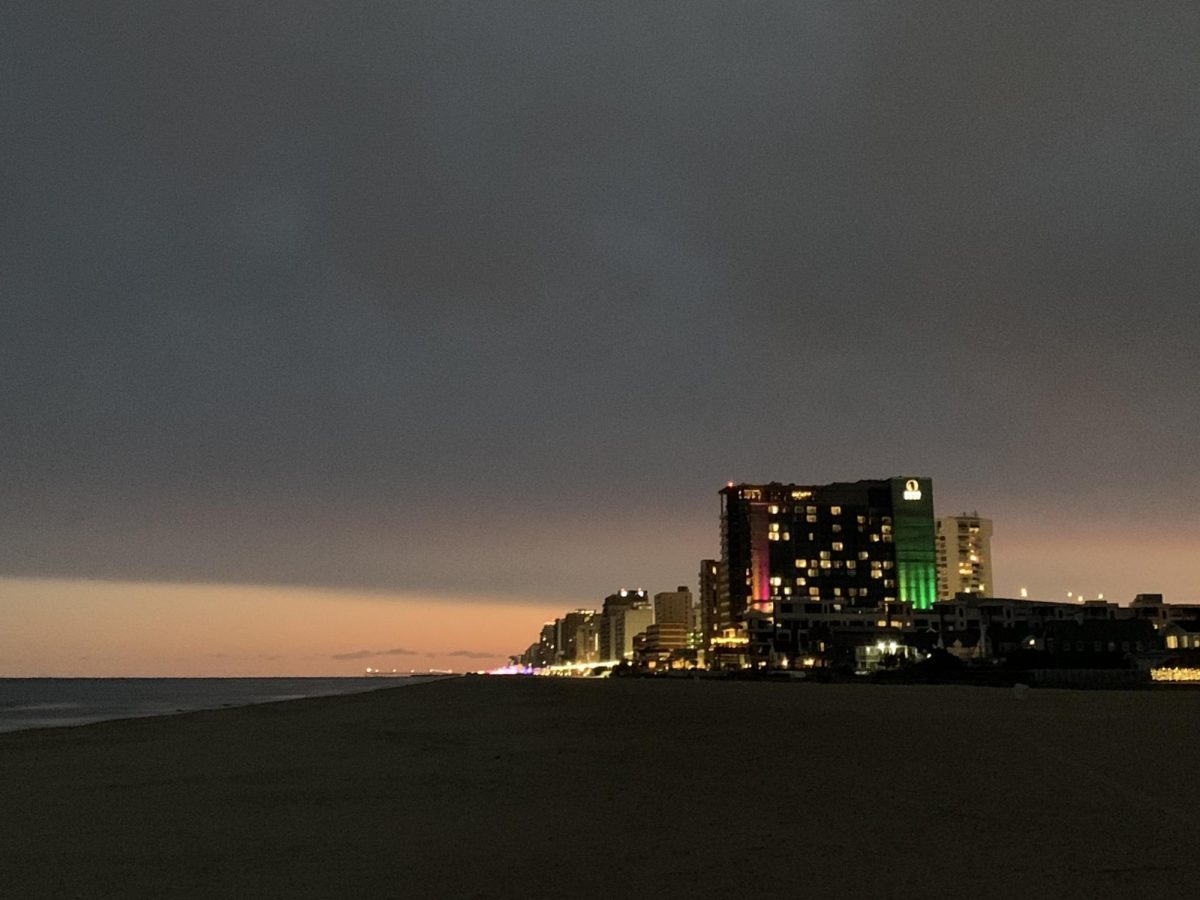
Virginia Beach has enacted a temporary curfew requiring minors to be off the Oceanfront strip from 7 p.m. to 5 a.m. on Fridays through Sundays. The restricted zone runs from Rudee Park to 31st Street, bounded by Pacific Avenue to the west and the Atlantic Ocean to the east. A separate city-wide ordinance also changed the standard minor curfew to 10 p.m. (previously 11 p.m.), effective March 19.
The city says the oceanfront curfew will remain in effect on weekends through the end of April, after which the city officials will re-evaluate it. The restricted zone was drawn based on patterns of where incidents have historically occurred during peak evening hours.
The City’s Case: Protection, not punishment
Virginia Beach City Councilman Cash Jackson-Green, who represents District 7, stated the measures are designed to keep everyone else, including young people, safer during high-traffic weekend evenings.
“It is not meant to hurt residents or restrict them,” Jackson-Green said. “It is meant to prevent people who are coming into Virginia Beach to do harm.”
Jackson-Green, who completed a 13-week police academy course before taking office, emphasized that officers are approaching the curfew with a coaching mindset rather than an enforcement-first attitude.
“What separates Virginia Beach from any other city is how caring we are,” he said. Jackson-Green highlights that the curfew is aimed at trying to coach teens, since “the people who wear the badge are mothers and fathers themselves,” emphasizing the concern for youth that is behind the city’s decision.
Under the ordinance, unaccompanied minors found in the curfew zone after 7 p.m. on weekends could be directed to leave, detained until a parent arrives, or face a Class 1 misdemeanor under Virginia law. However, Jackson-Green stressed that the curfew comes with many significant exceptions: minors traveling to and from work, school events, religious services, or with any adult 18 or older are not subject to enforcement.
Teens Weigh In: Safety vs. freedom
Not everyone is convinced the trade-off is worth it.
Senior Ash Martin, who turned 18 recently and is no longer subject to the curfew, said her concern goes beyond the specific rule.
“My biggest issue is the space for teens to exist publicly,” Martin said. “Parks often have age limits. The mall has a curfew. I feel like there isn’t a space for teens to exist and learn to explore the world in a real way.”
Martin acknowledged the reasoning behind the policy. A shooting occurred at the Oceanfront just before the curfew took effect, and she said she understood why city leaders felt action was necessary.
“The intent behind the curfew is a good idea,” she said. “But I think people who want to do harm will still find ways to do harm. They obviously don’t care about the law.”
Senior Daksh Master believes the curfew is genuinely aimed at reducing crowd density so police can respond more effectively to incidents, and he sees potential positives.
“The positive side of this curfew is that it could likely reduce the chance of youth kidnappings and make for a more enjoyable nighttime experience at the Oceanfront,” Master said. “I think it can really help reduce crime.”
Still, Master raised concerns about implementation. He worried that teens who feel unfairly targeted might push back against the rule in ways that create more conflict, not less.
“I urge the police to find the balance where the curfew does the job without being too restrictive,” he said.
A temporary measure
Jackson-Green described the curfew as temporary, targeted, and tied to a specific set of circumstances.
“The curfew is a tool,” he said. “It is a way to send a message to other cities that they cannot come to Virginia Beach to cause trouble, and to parents that we need their support.”