


For a long time, politics have been seen as an “adult issue.” Even with the implication of politics in our schools through civics or government classes, according to CIRCLE: Center for Information, the majority of youth report that learning about politics in school was not impactful on them. The report referenced that the lack of impact, paired with the stereotype of older people “belonging” in politics, can discourage youth from taking action in politics.
Despite those factors, some PA students are making waves in politics and breaking the common stereotype that kids don’t care about the political climate. With clubs like Politics for Teens, Young Republicans, and Young Democrats, Princess Anne provides options for younger crowds to become more involved in the current political climate.
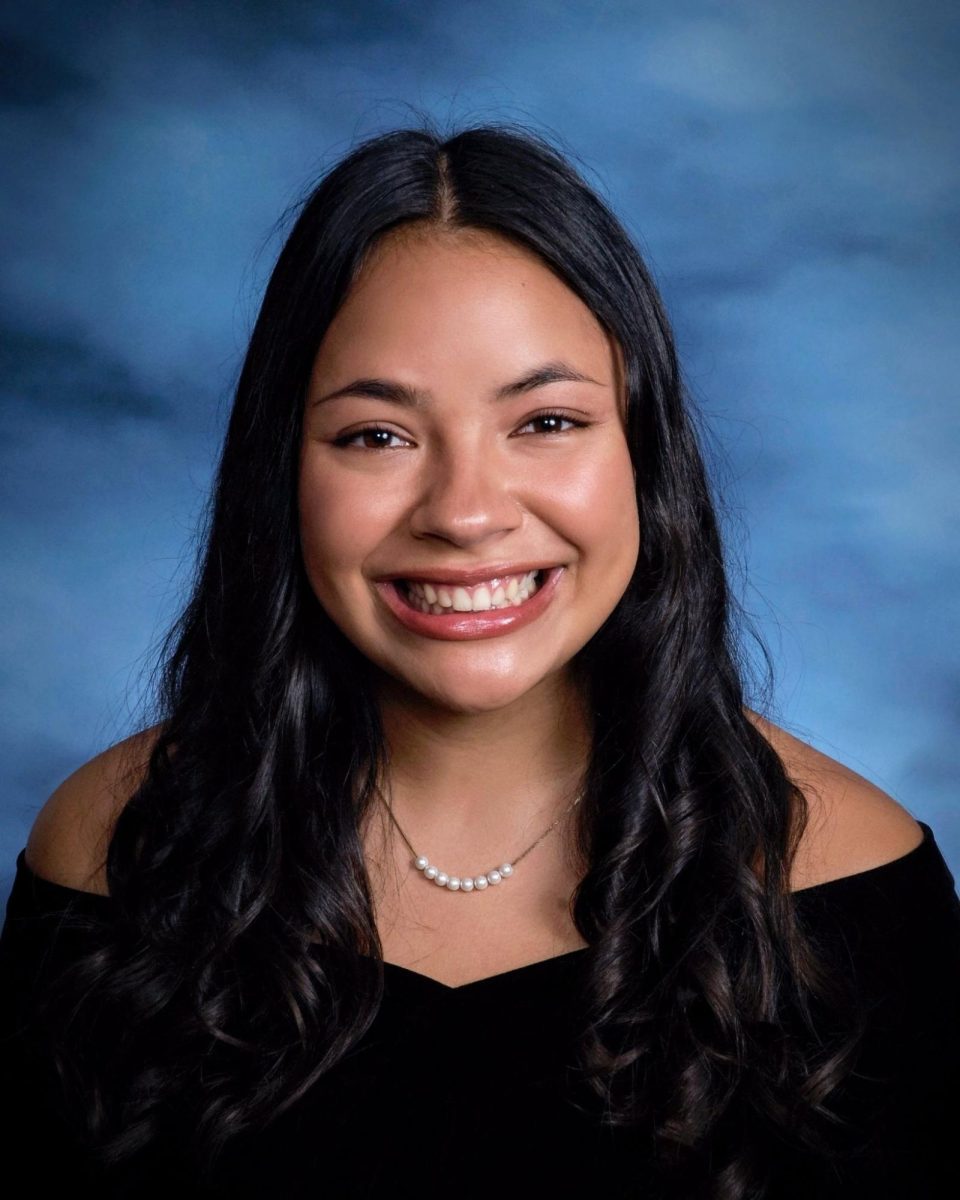
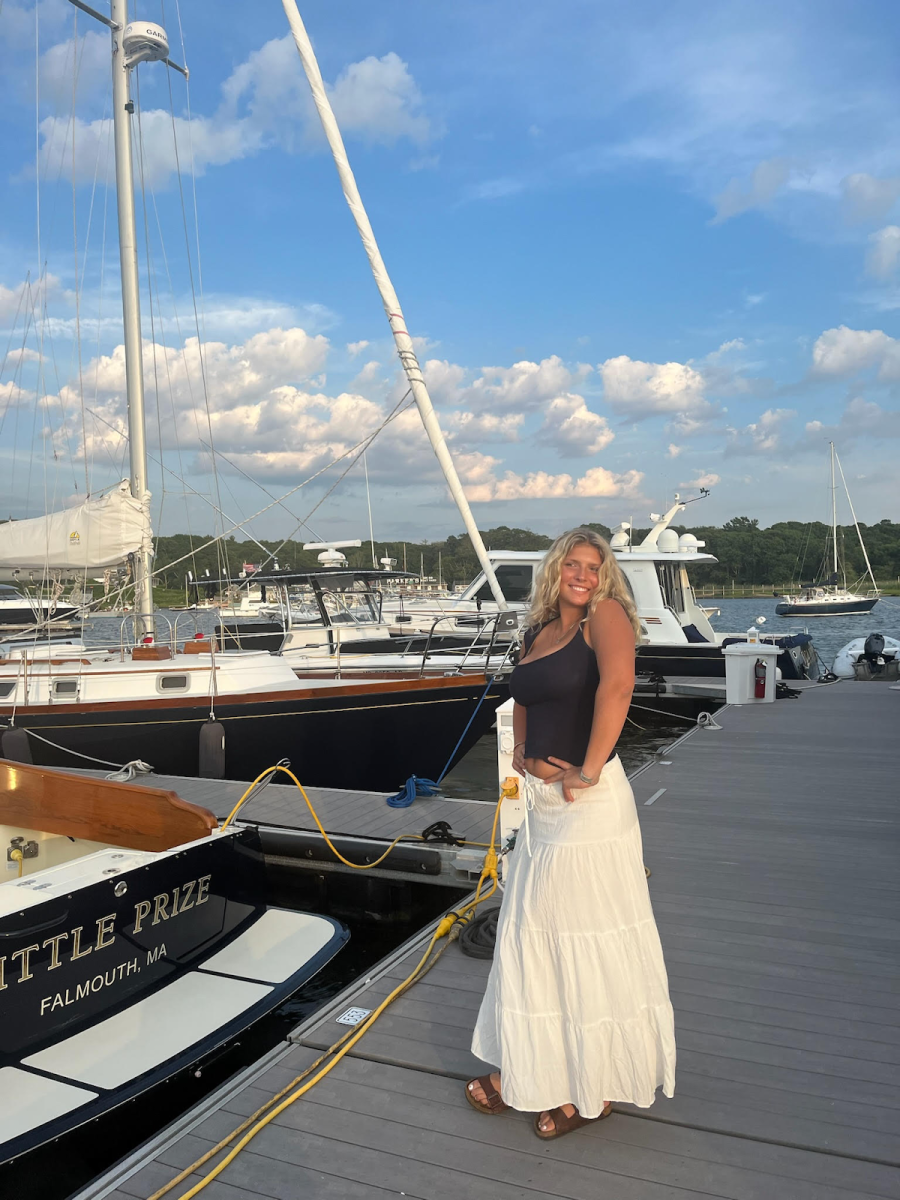
IB junior Marissa Vanegas is the founder of the PA Politics for Teens chapter and has held the position of president of the Young Republicans since the end of last school year. Other than political clubs in school, Vanegas works on campaigns and is deeply involved in local politics. Despite her inability to vote, she believes youth should begin to engage more with politics, stating, “just because we cannot vote yet doesn’t mean we cannot influence policy or get involved.” Vanegas also explains that clubs like Young Republicans or Young Democrats aim to prepare young people for voting when the time comes, rather than leading them blindly into voting booths. Additionally, she emphasizes how accessible local politics are for all ages, creating many opportunities to volunteer or even get to know some candidates. She encourages students to become educated on current candidates, learn their names, study their policies, and try to meet them, even if they’re not able to vote yet.
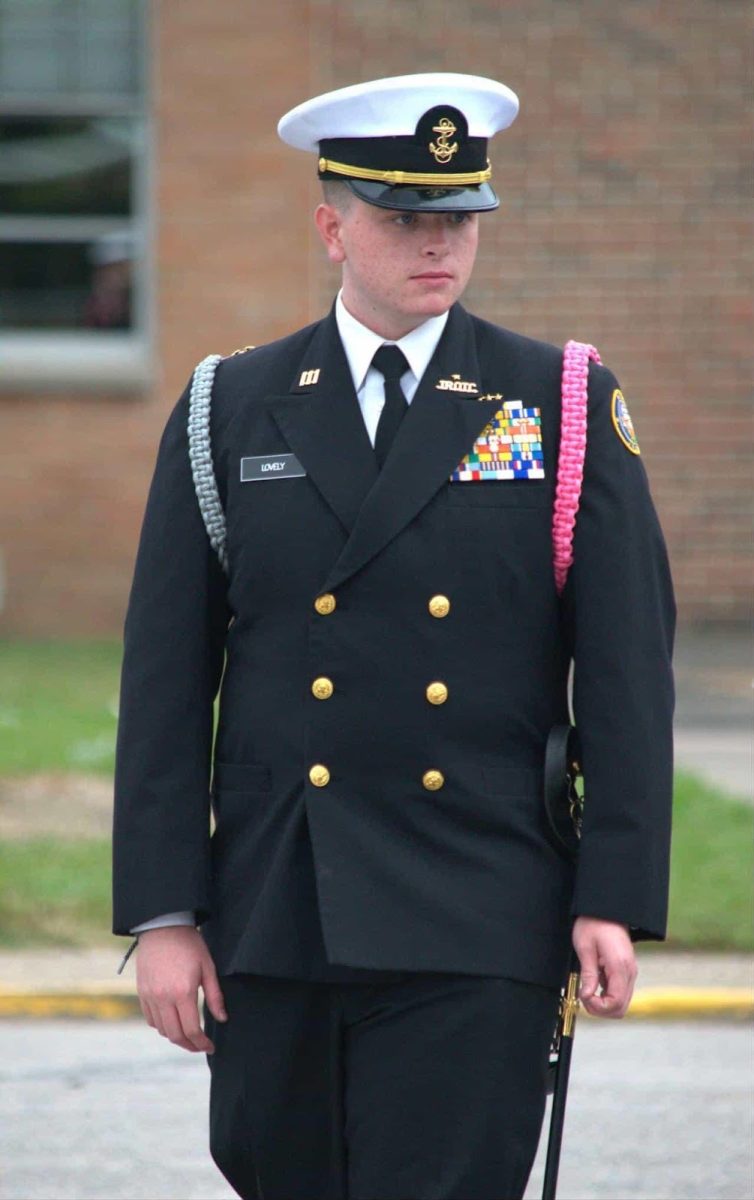
Isabella Spyratos, an IB junior and the vice president of Young Democrats, is also heavily involved in local politics. Spyratos is active in campaigning and canvassing for local political figures. She visits neighborhoods and informs people about voting poll locations and other information, like policies and issues. Despite her young age, Spyratos speaks with friends about political issues: “These things are affecting us now and also will in the future, so we should advocate for ourselves now.” She urges the adults in her life to vote, valuing the importance of voting and using your voice to make change. “We are the future; it’s extremely important for teens to participate in politics,” Spyratos said.
Thanks to social media, current events are more accessible to younger crowds. Teens receive news from social platforms they frequent, rather than having to explicitly do research or read certain articles. The usage of social media for social action is increasing amongst younger groups; 57% of teenagers are using social media to be involved in politics and other important causes. Along with that statistic, 38% of teens have signed petitions online.
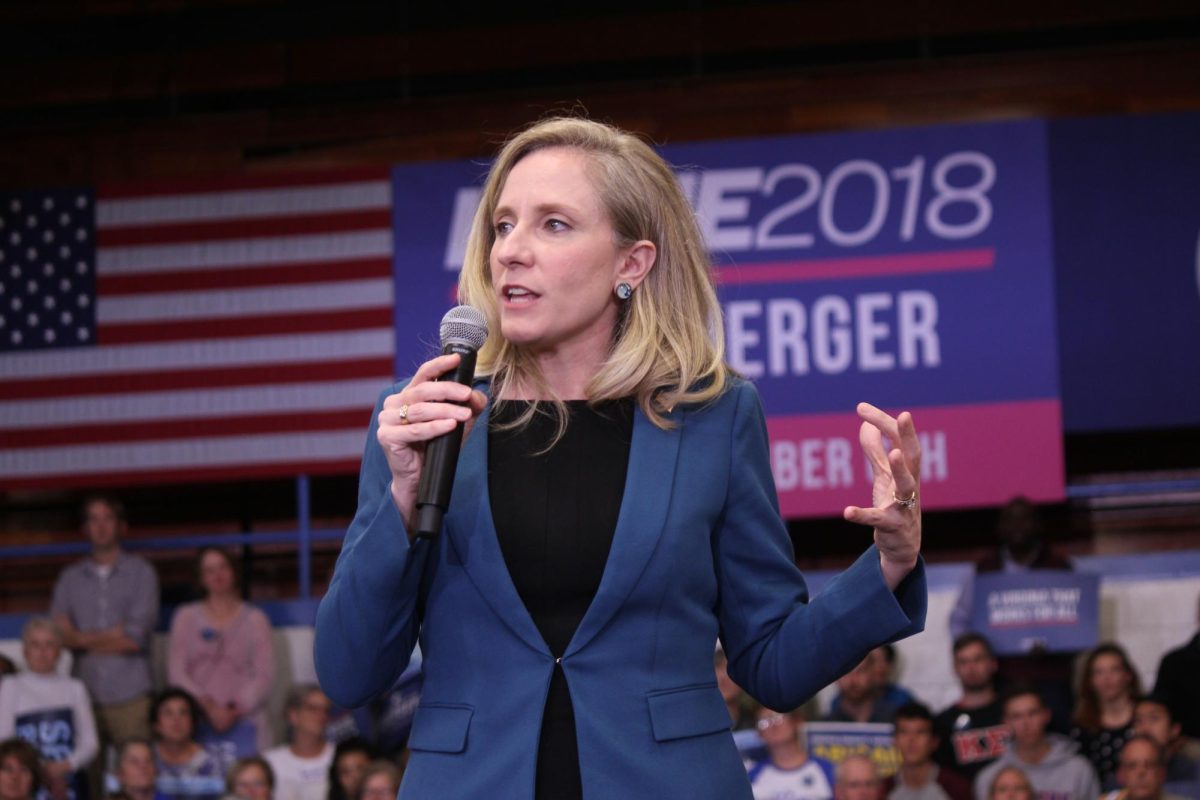
If interested, students can go further than behind the screen and take action in politics; there are many ways to be involved. The Virginia Youth in Action program is a council for ages 15-24, which allows youth to “explore the world of public policy and advocacy.” This program aims to help teens grow, learn, and connect with politics, and share the importance of involvement in the field. There are other programs for high school students, like the Senate and House Page Programs, which are open to 13-14-year-olds who are residents of Virginia. For more local action, you can visit the City Council website, attend different board meetings in the district, and research local politicians and their campaigns. Don’t be afraid to step into politics; age shouldn’t restrict action.