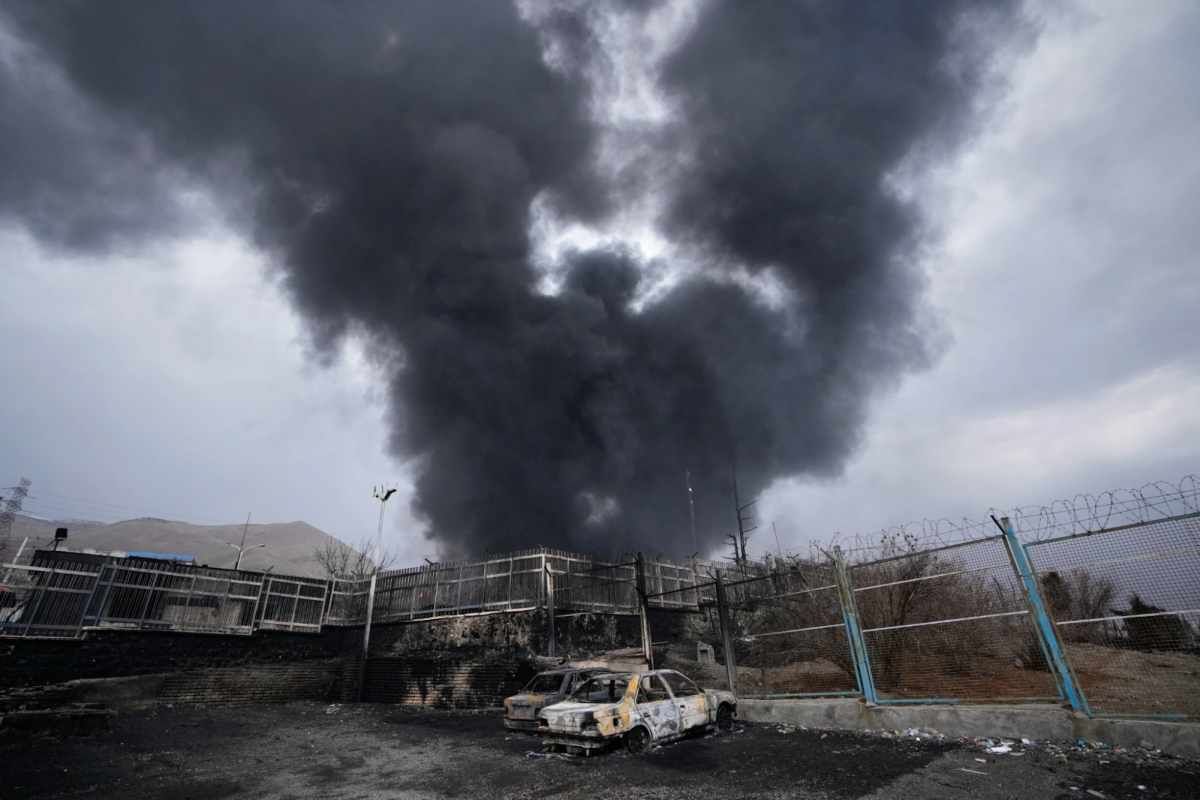



Extreme heat is not exactly a main concern for many of us right now. We are, after all, in the dead of winter. But, summer will be here in a matter of months, and with the changes in seasons comes a genuine concern for not only residents of Virginia Beach, but people all around the world: extreme heat.
Obviously, when winter turns into spring, and spring turns into summer, temperatures are going to rise. I personally love it when the weather gets hotter; it allows me to go to the beach with my friends or drive with the windows down. But the summer heat has, in recent years, become worrying. With rising global temperatures due to climate change, summers are becoming hotter and hotter, leading to a multitude of problems for people everywhere.
It may be hard for you to understand exactly how much temperatures have actually been rising. According to Climate Check, in a typical year around 1990, residents of Virginia Beach would experience about one week annually above 94 degrees Fahrenheit. However, by 2050, the average number of days over 94 degrees is projected to rise to above 30. Additionally, according to ABC News, Virginia has seen a spike in average statewide temperatures by around 1.5 degrees Fahrenheit, with that warming accelerating in recent decades. Depending on global emissions, average temperatures could rise by 13 degrees Fahrenheit by 2100.
While you may not notice changes in temperatures from year to year, thinking back on summers ten years ago, it is easier to tell a difference in the temperature. And, when analyzing the overall trends in the past few decades, it becomes very apparent that average temperatures are rising, and they are rising dramatically.
The effects of increased temperatures are felt in several ways. Firstly, the increase in temperature is felt literally; when you are outside during the summer, you may notice it feels hotter than normal. This isn’t a super big problem for those of us who have cars and houses with air conditioning. But it poses a significant issue for those who are unhoused or who don’t have access to air conditioning that can keep up with the heat. According to the Texas Homeless Network, those who are unhoused are 200 times more likely to die from heat-related deaths than those who have homes.
High heat presents other problems for homeless individuals. It can spoil food, make it harder for them to sleep, and raise the stress of those already under harsh conditions in their day-to-day lives. Cooling stations in Virginia Beach in the form of public libraries, can provide a break from the heat, and according to the City of Virginia Beach, there is an Energy Assistance Program to help people pay bills and fix utilities, but these are only temporary solutions. Obviously, air conditioning and electricity is important during the summer, as they keep the heat away, but they help mitigate the impacts of climate change, not address the root cause.
While these solutions may provide temporary relief, they do not solve the root problem leading to extreme heat: climate change. Without actual solutions to the problem that drives temperatures up, conditions will only continue to get worse, leading to increased death and injury among not just the unhoused but the general population.
In addition to increased death and injury, extreme heat leads to increased costs of living and negative economic consequences. According to the Economic Policy Institute, “Without emissions reductions or sufficient heat adaptations, labor productivity losses may double to nearly $200 billion by 2030 and reach $500 billion by 2050.” Rising temperatures lead to productivity declines that cost both workers and employers time and money.
Throughout the past few years, proposals have been made for a series of heat standard rules that would protect workers, and in 2024, the Heat Injury and Illness Prevention in Outdoor and Indoor Work Settings rule (HIIP Rule) was developed. This rule would have included mandatory acclimatization orders and training for recognizing heat related illnesses, that would help to protect workers. Executive orders passed by the Trump Administration, however, have put the HIIP Rule on hold. With little legislation in place to protect everyday workers, and a blasé attitude from the Trump Administration regarding the dangers extreme heat presents, it may seem like there is nothing to do. How can we as individual citizens make strong impacts on climate change if the government and powerful companies seem to want to make it worse? There are always steps to take to combat serious environmental issues, even ones that are as large as climate-change-driven extreme heat.
For one, you can make decisions in your day-to-day life that help combat climate change, such as using public transportation or eating a more plant-based diet. When more and more people commit to living more environmentally friendly, it has a big impact on even the largest issues.
There are also steps that you can take to combat the effects of climate change and extreme heat in our local community. The ability to recognize the signs of heat-related illness can save a life in the moment, so make sure to learn the signs of fatal illnesses like heat stroke. Some indicators include slurred speech and mental confusion. Spread awareness about cooling stations in Virginia Beach and the times they are open for use. Educating others is another important outlet through which you can keep those in our community safe.
Extreme heat is a big issue, impacting people all across the world. But we have the power to make a difference in the Virginia Beach community. I encourage you to start taking these steps now, before summer comes around and we are once again facing rising temperatures. Remember that change is possible, no matter how small, and it starts with our community.